professional property market support
Designing Your Future: Why Custom Homes Are the Ultimate Choice for Your Family
Creating a custom home delivers exceptional qualities that standard options cannot offer. Homeowners can tailor every detail to align with their needs and desires. This personalization goes further than aesthetics to include functionality and energy efficiency. As homeowners evaluate their requirements, they must also navigate selections that impact both satisfaction and finances. The journey of creating a personalized property brings up essential questions about style, setting, and value that deserve further exploration.
What Are the Perks of Opting for a Custom Home?
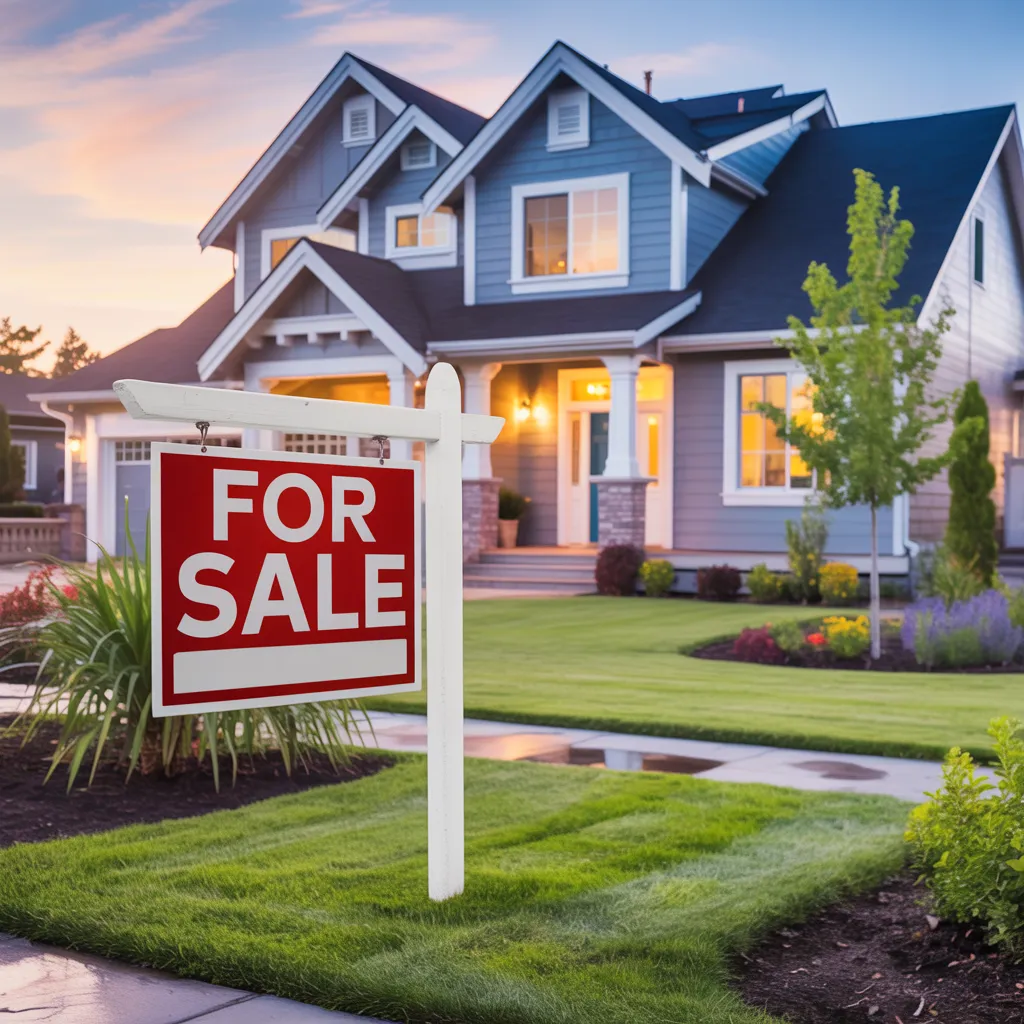
Choosing a custom home provides many perks that can greatly improve a family's living lifestyle. One notable perk is the opportunity to create spaces that reflect personal preferences and daily routines. Homeowners can select materials, layouts, and finishes that align with their needs, guaranteeing maximum functionality. Furthermore, custom homes often incorporate eco-friendly elements, resulting in long-term savings on monthly expenses.
One more benefit is the possibility of future growth. Households can prepare for expansion by integrating extra rooms or adaptable spaces that can develop with the family's needs. Custom homes also allow for unique location choices, enabling families to select neighborhoods that align with their values and priorities.
In conclusion, the act of constructing a tailor-made home encourages a strong sense of pride and ownership. This focus on personalization not only enhances comfort but also forges a meaningful emotional attachment to the space, truly making it a genuine representation of the family's identity.
How Custom Homes Fulfill Your Family's Needs
Bespoke residences are specifically designed for the diverse needs of households, providing tailored solutions that enhance day-to-day experiences. In contrast to conventional homes, these custom-built homes offer adaptable floor plans, which can support particular family requirements, such as extended family arrangements or rooms designed for productivity and relaxation. Households can focus on the aspects that best suit their needs, whether it's a generous kitchen space for bringing loved ones together, a dedicated playroom for children, or sustainable features that minimize household bills.
Additionally, custom homes are able to be constructed with future growth in mind, ensuring that they adapt alongside the homeowner's changing demands. This adaptability not only promotes a sense of well-being but also creates an environment where families can thrive. By choosing a custom home, families can create a space that embodies their values and lifestyle, ultimately enhancing their quality helpful information of life in a way that standard homes cannot achieve.
Important Design Features for Your Custom Home
When planning a custom home, families often prioritize essential features that enhance comfort and practicality. Open floor plans are frequently favored, as they create a feeling of openness and encourage family connections. Furthermore, generous storage options, such as custom cabinetry and walk-in wardrobes, assist in keeping order in busy households.
Energy efficiency remains a significant factor; families frequently choose premium insulation, energy-saving windows, and eco-friendly materials to lower ongoing expenses and minimize environmental impact.
Versatile rooms, such as adaptable living areas that can be used as play areas or home offices, accommodate the evolving requirements of households. Outdoor living areas, including terraces or outdoor platforms, enhance the overall living environment and provide opportunities for leisure and social gatherings.
In addition, thoughtful lighting design, combining natural illumination and strategically placed fixtures, can greatly enhance atmosphere and practicality, making such elements vital components in a personalized home design.
Why Location Is Important When Building Your Custom Home
The location of a property plays a vital factor in the planning of a custom-built home, affecting everyday life for families. Being close to schools, availability of key amenities, and neighborhood safety are important considerations that can improve convenience and the overall quality of life. Being aware of these considerations is significant for making informed decisions when identifying the right spot for a custom-built residence.
Distance to Schools
Choosing a home in proximity to quality schools can greatly influence a family unit's overall daily living and long-term satisfaction. Being close to educational institutions often leads to better academic advantages for children, fostering a supportive environment for learning. Families take advantage of shorter daily trips, allowing for more time spent together and minimizing daily stress. Moreover, homes situated near reputable schools often have higher property market prices, making them a smart investment. Communities around these schools typically offer a range of family-friendly activities and opportunities, enriching the overall living environment. Parents also value the assurance that their children are obtaining a quality education, which can lead to better futures. Ultimately, choosing a location near schools is a strategic choice that encourages family advancement and development.
Access to Amenities
Access to essential amenities is crucial for families who are constructing their custom residences. Nearness to supermarkets, healthcare providers, parks, and leisure centers can substantially enrich day-to-day life. Families enjoy the perks of having these facilities close at hand, as it encourages ease of access and cuts down on travel time. Proximity to public transportation further contributes significantly, facilitating effortless travel for work or academic purposes. Moreover, convenient shopping and dining establishments create openings for community engagement and leisure, enhancing an all-encompassing lifestyle. When selecting a location for a custom home, families should prioritize areas that offer a balanced mix of amenities, ensuring that their new home supports their everyday needs and enhances their quality of life.
Community Safety Factors
How can families ensure their new custom home is located in a secure environment? When choosing a location for a custom home, families should focus on neighborhood safety. They can start by researching crime rates through local law enforcement websites or community forums. Speaking with neighbors also gives valuable insights into the community's safety and community atmosphere. Being close to emergency services, such as police departments and fire stations, enhances security. Additionally, families should consider the presence of adequately lit streets, parks, and community watch programs, which contribute to a safer atmosphere. Educational institutions and recreational facilities can further suggest a family-friendly environment. Ultimately, investing time in evaluating these factors assures a secure and nurturing setting for future generations.
Budgeting Tips for Your Custom Home
When embarking on the journey of creating a custom home, homeowners often find that smart budget management is crucial to achieving their vision without financial stress. To begin, they should develop a realistic budget that encompasses all costs, such as permits, land, labor, and materials. Researching local market prices can provide valuable insights into projected expenditures.
Furthermore, home buyers ought to identify their needs and wants, differentiating between "'must-haves' and ''nice-to-haves'. This will help eliminate excessive costs on non-critical elements.
Establishing a reserve fund is also prudent, as surprise costs frequently occur during the building phase.
Furthermore, households are advised to track spending meticulously during this process, revising their budget when required. By adopting this approach, they will be better equipped to handle the challenges of custom home budgeting, ensuring a smoother path to their dream home while maintaining financial stability.
Choosing the Right Builder for Your Custom Home Vision
Picking the ideal home builder is a critical step in transforming a custom home idea to life. A builder's experience can greatly influence the result of a project, ensuring that it reflects the family's wishes and expectations. Aspiring homeowners should start by investigating local builders, focusing on their past projects, client testimonials, and overall standing. It is critical to conduct interviews, discussing project details and schedules to evaluate alignment.
Homeowners should inquire about the builder's background in custom projects, confirming they possess a strong understanding of the design and building process. Clear communication concerning potential challenges, pricing, and contracts is also crucial. Furthermore, touring active project sites can provide insight into the builder's quality of work and professional standards. Ultimately, the right builder will not only bring technical skills but will also communicate effectively, fostering a collaborative relationship that turns a dream into a livable space.
Common Questions and Answers
How Long Does Building a Custom Home Generally Take?
On average, completing a custom-built home takes six months to a year, subject to variables including the intricacy of the design, permit approvals, and weather conditions. No two projects are alike, affecting the construction period greatly from one home to another.
What Types of Warranties Come With a Custom Home?
New custom-built homes typically come with coverage addressing plumbing, electrical systems, structural integrity, and appliances. Home builders typically include a twelve-month warranty for both materials and workmanship, along with designated coverage durations for different components, providing comprehensive homeowner security.
Is It Possible to Make Changes During the Construction Process?
Absolutely, adjustments can typically be arranged during the construction process, though they might be subject to the construction phase and the policies set by the builder. It's important to convey any requested adjustments in a timely manner to minimize potential delays.
How Do I Pick the Perfect Floor Plan?
To choose the right floor plan, one should assess lifestyle needs, consider future growth, review the property measurements, and emphasize essential functional zones. Working with experienced experts can offer important perspectives and support better decision-making throughout the process.
What Are Common Pitfalls to Avoid When Building a Custom Home?
Typical errors when creating a custom home include insufficient financial planning, neglecting future needs, ignoring property conditions, hurrying through important decisions, and lacking proper communication with your building team. Each can lead to significant delays and unexpected costs.